
Everyday plastic
A bottle thrown away at home blows out of the garbage, lands in a waterway, and floats to the coast — degrading and poisoning wildlife along the way.
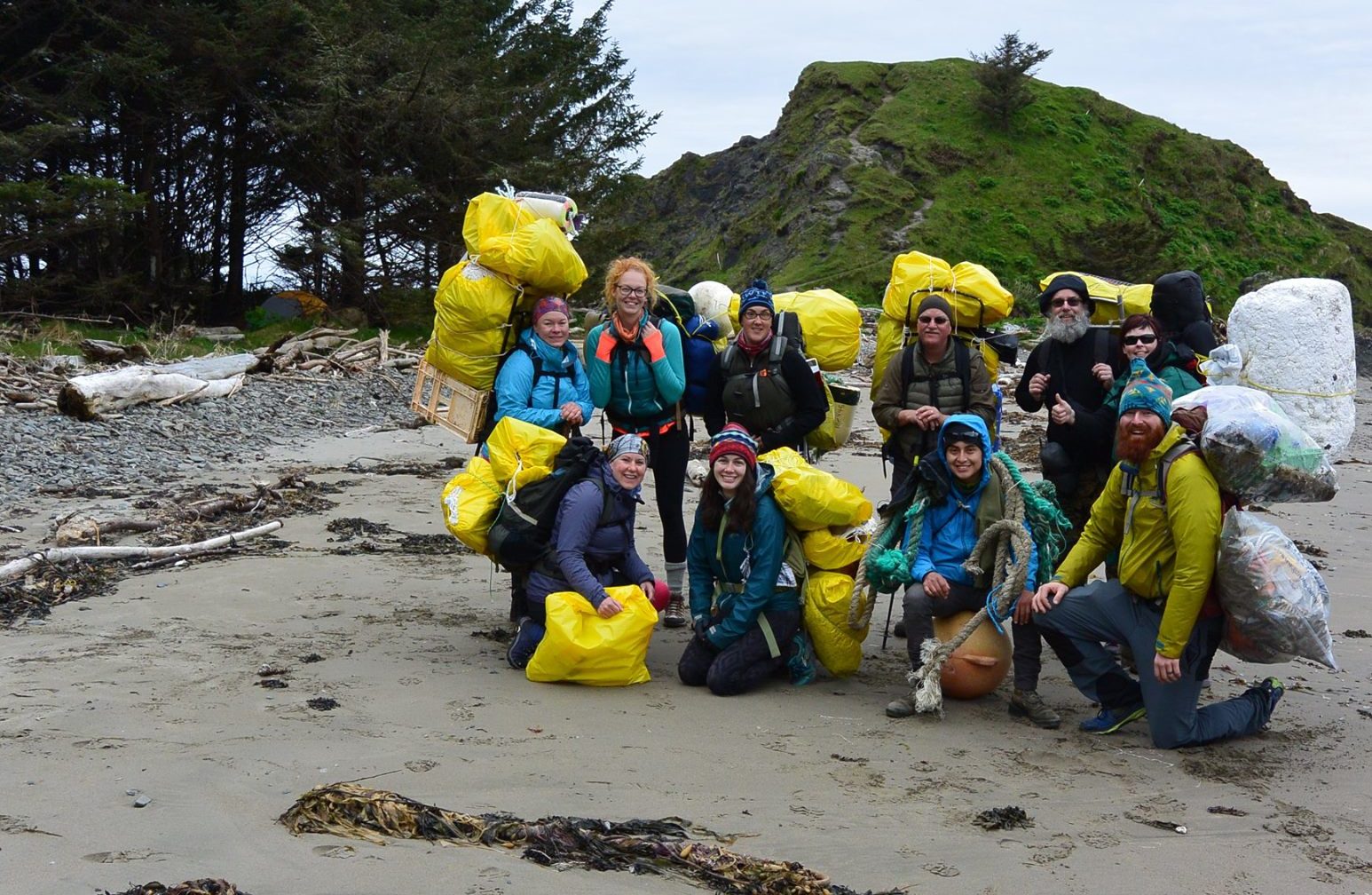
Volunteer beach cleanup · Washington's outer coast
An alliance of partners and volunteers removing marine debris from Washington's beaches — three coordinated cleanups a year across the outer coast, one community.
Since 1971
Earliest coordinated cleanups
3
Coordinated cleanups per year
0+
Volunteers per April cleanup
0+ lbs
Debris removed each April
2026 cleanups
CoastSavers coordinates three named cleanups each year. Volunteers sign up for one or all three — every shoreline mile helps.
Earth Day weekend
Saturday closest to Earth Day · April
The flagship cleanup of the year. Volunteers walk Washington's outer coast removing winter-storm debris before the summer beach season.
Learn moreAfter the fireworks
Independence Day weekend
The morning-after cleanup. Volunteers clear holiday-weekend debris from the most-visited beach access points.
Learn moreSeptember
Third Saturday in September
Washington's contribution to the Ocean Conservancy's global cleanup — coordinated with hundreds of countries.
Learn moreWho we are
Washington CoastSavers is an alliance of partners and volunteers dedicated to keeping the state’s beaches clean of marine debris through coordinated beach cleanups, education, and prevention.
Marine debris is trash that somehow ends up in the ocean. Recognize this plastic water bottle? It could be the one you threw away several months ago – not at the beach, but at your home! It just blew out of your garbage, landed in a nearby waterway, and floated out to the coast. Now it’s degrading and poisoning our coastal wildlife and releasing its toxins into the food chain.
Or maybe a commercial fishing boat lost some gear in one of our notorious winter storms. Now it’s floating around out there, damaging our coastal fisheries, and pointlessly killing everything that gets caught.
Why this matters
A bottle thrown away at home blows out of the garbage, lands in a waterway, and floats to the coast — degrading and poisoning wildlife along the way.
Winter storms separate fishing gear from boats. The gear keeps "ghost fishing" — damaging fisheries and pointlessly killing anything caught in it.
Three coordinated cleanup days remove tens of thousands of pounds of debris before it breaks down further or reaches deeper habitat.
Save the dates
Whether you can join one Saturday or all three — register, show up, and we'll have your safety vest, bags, and grabber waiting at the site.